From Sketch to Doorstep: The Craft Behind Every Official Gary Jones Product
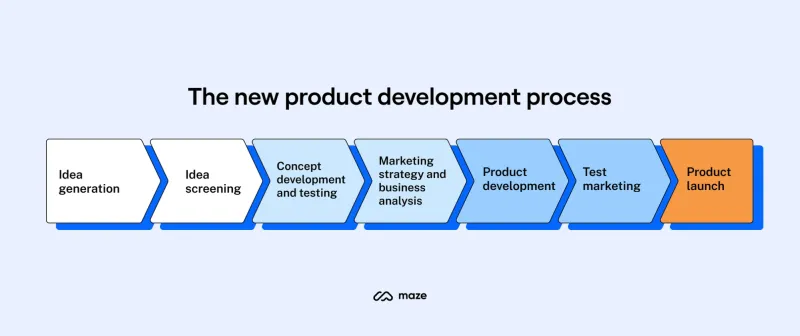
Photo: merchandise design studio creative team product development process, via www.testingtime.com
There's a moment — you probably know it — when you tear open a package from garyjones.shop and hold something in your hands that just feels right. The weight is solid. The print is crisp. The whole thing looks exactly like it did on the screen, maybe even better. That feeling doesn't happen by accident. It's the result of a whole chain of decisions, conversations, and quality checks that most fans never see.
We went behind the scenes to show you exactly how that happens.
It Starts With a Story, Not a Spreadsheet
Every Gary Jones product begins the same way: with a conversation. Before anyone touches design software or calls a manufacturer, the creative team sits down — sometimes literally around a table, sometimes on a video call stretched across three time zones — and asks one question: What does this piece mean?
"We don't start with 'what can we sell,'" says Marcus, one of the lead creative collaborators on the Gary Jones brand. "We start with 'what's the story we're telling right now?' Gary's whole thing is authenticity. If a product doesn't connect back to something real about who he is or where he's been, it doesn't move forward."
That philosophy sounds simple, but it rules out a lot of ideas. Early mood boards get filled with concepts — some bold, some safe, some genuinely weird — and most of them don't survive the first review. The ones that do tend to share a common thread: they feel personal. A graphic that references a real moment. A colorway that means something. A phrase that Gary actually says.
The Design Phase: Where Vision Meets Reality
Once a concept gets the green light, it moves to the design studio. This is where things get technical fast. Designers work through multiple rounds of mockups, testing how a graphic translates across different product types — because a design that looks incredible on a hoodie can fall completely flat on a hat brim or a coffee mug.
Color accuracy is one of the biggest challenges at this stage. Screen colors and print colors behave differently depending on the fabric, the ink type, and the printing method. The team uses physical swatches and test prints obsessively, comparing them under different lighting conditions before anything gets approved.
"I've sent back a red that was 'wrong' like six times on one project," laughs Diane, who handles quality review on the design side. "To a lot of people, it looked fine. But we knew what it was supposed to look like, and we weren't going to settle."
This level of detail is exactly what separates official merchandise from knockoffs. Bootleg products typically skip these rounds entirely — they grab an image, slap it on a blank, and ship it. The color's off. The placement is awkward. The proportions are wrong. If you've ever bought something unofficial and felt a little disappointed when it arrived, this is usually why.
Choosing the Right Manufacturing Partners
Gary Jones Official works with a carefully vetted network of manufacturers, and the vetting process is not quick. Potential partners go through sample rounds before any real order is placed. The team evaluates stitching consistency, print durability, blank quality, and — critically — ethical production practices.
"We care about who's making this stuff and how," Marcus explains. "That matters to Gary personally, and honestly, it matters to the fans too. People want to feel good about what they're buying."
For items like apparel, blanks are sourced from suppliers known for comfort and durability. Collectors' items and limited-edition pieces often involve more specialized production — things like embossed packaging, foil details, or numbered certificates of authenticity that require additional steps and smaller production runs.
Quality Control: The Last Line of Defense
Before any product ships, it goes through a quality control process that catches problems most buyers would never notice — and a few they definitely would. Items are checked for print alignment, color consistency, stitching integrity, and overall presentation.
Rejects happen. Not often, but they happen. And when they do, those units don't get quietly discounted or bundled into a mystery box. They get pulled.
"Our standard is basically: would Gary be comfortable handing this to someone himself?" Diane says. "If the answer is no, it doesn't go out."
The Last Mile: Packaging and Delivery
Packing might seem like the unglamorous end of the process, but the Gary Jones team treats it as part of the product experience. Packaging is designed to protect items during transit while also feeling intentional when you open it. For limited releases, that means branded tissue, custom inserts, and sometimes a personal note.
Shipping partners are selected based on reliability and tracking transparency, because nobody wants to sit around wondering where their order is.
From that first creative conversation to the moment your package hits your doorstep, a Gary Jones product might pass through dozens of hands — each one adding something to make it worth owning. That's not overhead. That's the brand.
Next time you open a box from garyjones.shop, you'll know exactly what went into it.