Keep It Mint: The Boring-but-Brilliant Guide to Protecting Your Gary Jones Collection
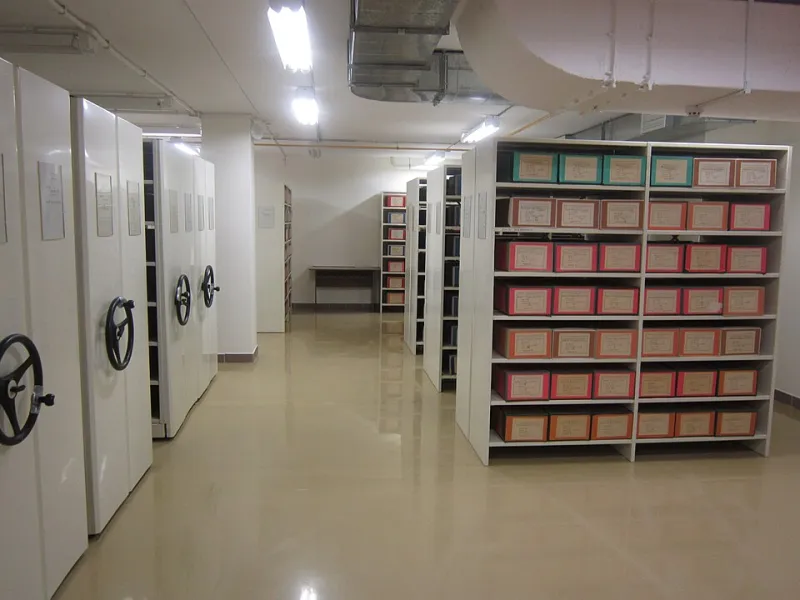
Photo: Homoatrox, CC BY-SA 4.0, via Wikimedia Commons
Nobody gets into collecting because they're excited about humidity control. But if you've put serious money into Gary Jones pieces — and plenty of you have — the unglamorous stuff is what separates a collection that holds value from a closet full of sun-bleached regrets.
This is the article nobody posts publicly, because admitting you care this much feels uncool. Consider it our public service for the year.
The Enemy Is Light, Heat, and You
Apparel degrades for three main reasons: UV exposure, temperature swings, and handling. That graphic tee in your rotation? Fine, wear it. But the numbered piece you're treating as an asset should never see direct sunlight, full stop.
Practical storage rules that actually matter:
- Fold, don't hang, long-term. Hangers stretch shoulders over time, especially on heavier fabrics.
- Acid-free everything. Tissue paper, boxes, garment bags — if it says 'acid-free and archival,' it's worth the extra few dollars.
- Climate beats location. An interior closet on a temperature-stable floor beats a basement or attic every time. attics cook fabrics; basements feed mildew.
- Wash before storing. Body oils and invisible stains become permanent discoloration within a year. One gentle cold wash, air dry, then store.
Display vs. Sealed Storage: The Debate Nobody Settles
Every collector eventually faces this fork: show the collection or protect the collection. The honest answer is that you can do both — badly or well.
If you display: use UV-filtering cases or frames and keep pieces out of window light. A framed piece on a wall across from a sunny window is a slow-motion loss, no matter how good it looks today.
If you seal: don't vacuum-seal anything you care about. Compression creases can become permanent, and trapped moisture is a mold invitation. Breathable archival boxes beat airtight plastic for textiles.
The middle path most serious collectors land on: display one or two pieces at a time in proper UV-protected frames, rotate them, and keep the rest in archival storage. Your collection gets seen; your collection also survives.
When Does a Collection Need Insurance? Sooner Than You Think
Here's a rough gut check: if your collection's replacement value exceeds about $2,000–$3,000, your standard renter's or homeowner's policy probably won't cover it fully. Most policies cap coverage for collectibles at a fraction of what you'd assume.
At that point, you're looking at either a scheduled personal property rider or a standalone collectibles policy. Before you call your insurer, do the homework:
- Document everything. Photos of each item, plus receipts or order confirmations. Screenshots of resale listings for pieces you no longer have receipts for.
- Get appraisals for the big stuff. Individual pieces worth over $1,000 generally need a professional appraisal for scheduling. It costs a few hundred dollars and it's the difference between a real payout and an adjuster's shrug.
- Reassess annually. Collections grow, and so does their value. An inventory from 2023 undervalues what you own today.
Yes, this is tedious. It's also how you make sure that a fire, theft, or pipe burst doesn't erase years of collecting in one afternoon.
The Five-Minute Maintenance Routine
You don't need to be obsessive. You need to be consistent. Once a season:
- Check storage boxes for moisture, pests, or odors
- Refold items along different lines to prevent permanent creases
- Update your photo inventory with any new additions
- Confirm your insurance coverage still matches your collection's value
The Unsexy Truth
The collectors whose pieces command top dollar years from now won't be the ones who bought the most. They'll be the ones whose items are still mint. Condition is the multiplier on every dollar you've spent.
So buy the archival box. Schedule the appraisal. Move the display case away from the window. Your future self — the one selling, insuring, or just proudly showing off a pristine collection — will be very glad you did.