When Fans Become Believers: What Gary Jones Is Teaching Us About Real Loyalty

Photo: Gannu03, CC BY-SA 4.0, via Wikimedia Commons
Let's be honest — loyalty is a word that gets thrown around a lot. Airlines want it. Streaming platforms beg for it. Big corporations spend billions trying to manufacture it. But somewhere along the way, a different kind of loyalty started growing — quieter, more personal, and a whole lot more durable. And if you want to understand what that looks like in 2024, you'd do well to pay attention to what's been building around Gary Jones.
This isn't a corporate story. It never was. And that, it turns out, makes all the difference.
The Old Model Is Cracking
For decades, fan culture operated on a pretty simple transaction: you liked someone, you bought their stuff, you showed up when they toured or posted or dropped something new. It was consumption dressed up as connection. Marketers called it "brand loyalty," but fans were really just repeat customers with feelings.
That model still works — kind of. But a growing number of people, particularly in the 18-to-40 demographic that drives so much of today's cultural conversation, are stepping back from it. They're asking a question that traditional celebrity culture never really prepared anyone to answer: Do I actually matter here?
With Gary Jones, the answer is yes. And people can feel it.
"There's a measurable psychological difference between how people engage with individual creators versus institutional celebrities," says Dr. Marcus Webb, a behavioral economist who studies parasocial relationships and consumer behavior. "When you follow a corporation or a legacy celebrity brand, there's always a layer of mediation — PR teams, management, corporate strategy. With someone like Gary Jones, fans perceive a direct line. That perception of access, even when it's partial, creates a fundamentally stronger emotional bond."
It's Not Just Admiration — It's Investment
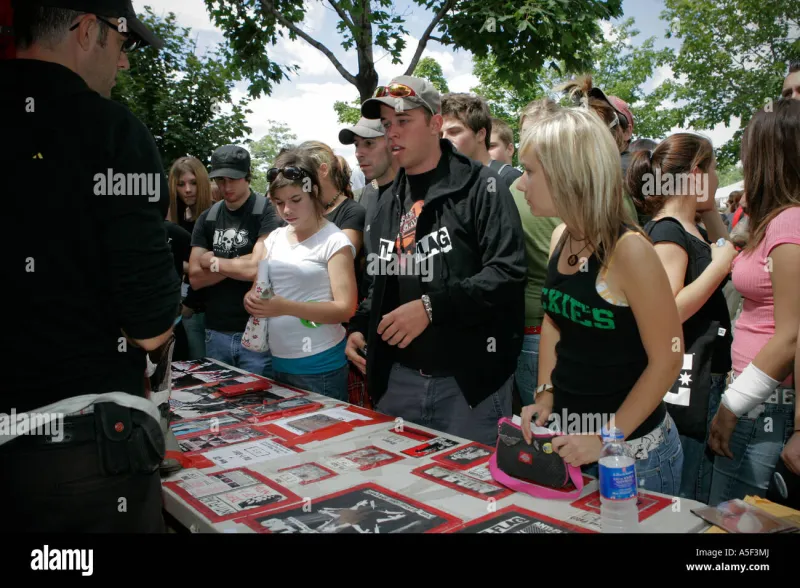
Here's what separates the Gary Jones community from a typical fan base: people aren't just watching from the sidelines. They're in it. They're buying limited drops not just because the product looks good, but because owning a piece of the Gary Jones story means something to them. They're sharing posts, recommending the shop to friends, and showing up in comment sections with the kind of energy you usually only see at playoff games.
Psychologists have a term for this kind of engagement — they call it "participatory investment," and it describes the shift from passive fandom to active co-ownership of a narrative. When fans feel like they helped build something, their loyalty becomes almost self-reinforcing. Stepping away would feel like leaving something they helped create.
"The merchandise becomes a physical artifact of that relationship," explains Carla Dominguez, a brand strategist based in Austin who has consulted for several creator-driven businesses. "It's not a T-shirt. It's a timestamp. It says, 'I was here when this was happening.' That's incredibly powerful, and it's something that no amount of ad spend can replicate."
Walk through any Gary Jones order and you'll see this dynamic play out in the reviews. People aren't just rating the product — they're telling stories. About when they first discovered the brand, about what it means to their friend group, about why they grabbed the limited hoodie before it sold out. The product is almost secondary to what it represents.
Why Individual Brands Create Community, Not Just Customers
One of the most fascinating things about the Gary Jones effect is what happens between fans — not just between fans and Gary himself. A genuine community has formed. People who've never met in person swap stories in the comments, trade grading tips on limited drops, and organize around shared drops like it's a team sport.
This is the part that traditional corporate brands consistently fail to recreate, no matter how much they invest in "community building" initiatives. The reason is simple: you can't manufacture shared identity. It has to grow organically around something people actually care about.
"Communities form around perceived authenticity," Dr. Webb notes. "When fans believe that the person behind the brand is genuinely present — that they're not just performing for an audience — they start to see other fans as kindred spirits rather than strangers. The brand becomes a cultural shorthand for shared values."
For Gary Jones fans, those shared values are real. They include an appreciation for quality over hype, a preference for the personal over the polished, and a genuine belief that supporting an individual creator is a more meaningful way to spend their dollars than feeding a faceless corporation.
The Staying Power Question
Skeptics always ask the same thing: is this sustainable? Trends fade. Creators burn out. The internet has a short memory. Fair points, all of them.
But here's what the data keeps showing: loyalty built on identity is dramatically more durable than loyalty built on novelty. When someone integrates a brand into their sense of self — when they put it on their wall, wear it to events, and talk about it at dinner — that brand becomes part of their story. Losing it would mean losing a piece of themselves.
That's not a customer. That's a believer.
Dominguez puts it plainly: "The brands that last aren't the ones that create the most hype. They're the ones that create the most meaning. Gary Jones is doing the latter, and that's a much harder thing to walk away from."
What This Means Going Forward
The Gary Jones community isn't an accident. It's the result of something rare in today's marketplace — a genuine relationship between a creator and the people who believe in what he's building. Every product that ships from garyjones.shop carries that weight. Every limited drop is another chapter in a story that fans feel like they're part of.
That's what real loyalty looks like. Not a subscription you forget to cancel. Not a brand you vaguely remember liking. A choice you make again and again because it keeps meaning something.
And in a world full of brands competing for your attention, that's the most powerful thing in the room.